OPWDD Resources & Guidance for NYC Families

Navigating the New York State Office for People With Developmental Disabilities (OPWDD) system can feel overwhelming. Between the complex paperwork, changing terminology, and bureaucratic portals, many families don’t know where to turn for clear answers.

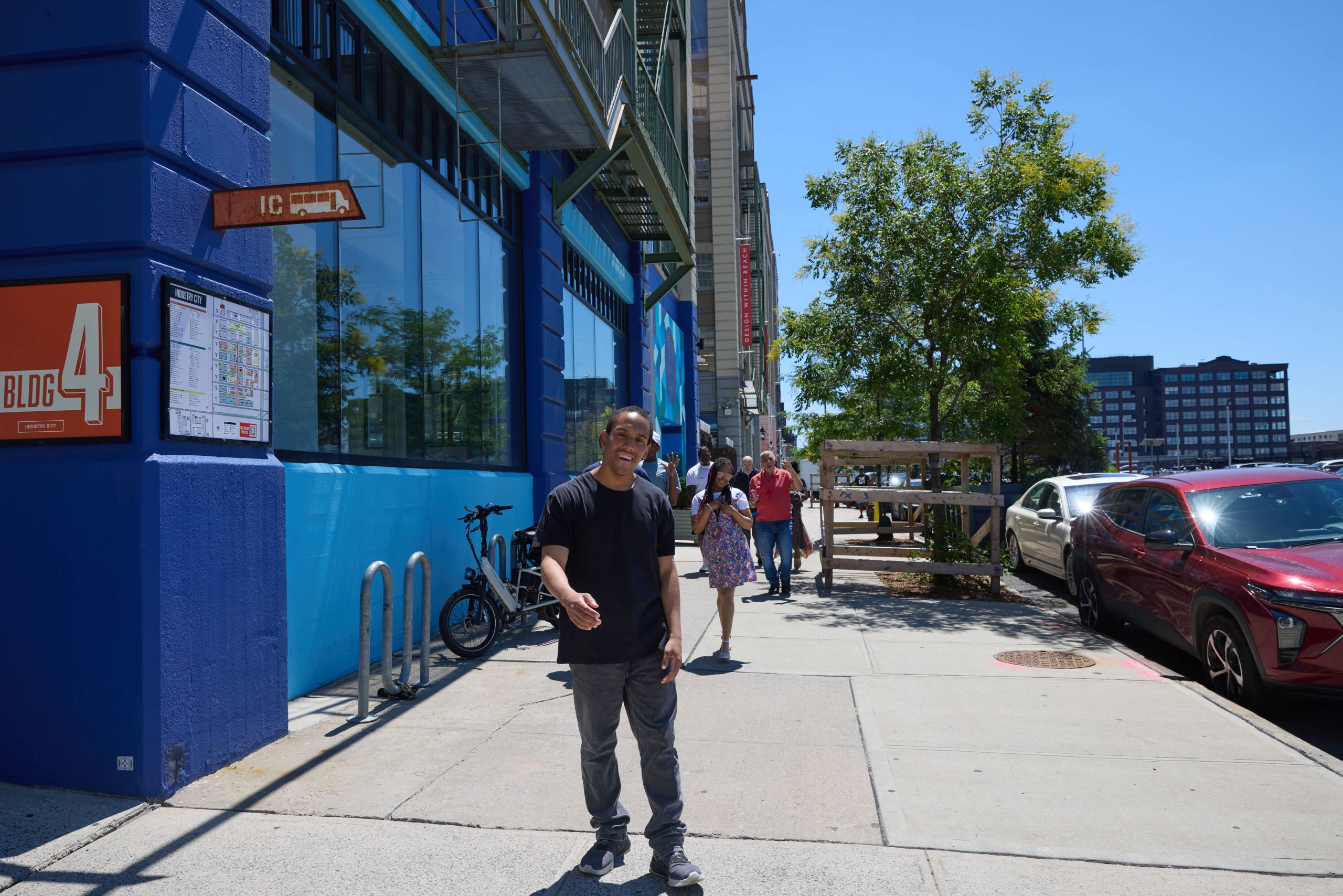
At NeuSpark PDS, we believe that understanding your civil rights and service options shouldn’t require a law degree. Based out of our Industry City headquarters in Brooklyn, we partner with families across Brooklyn, Manhattan, and the Bronx to simplify the Medicaid waiver process and build vibrant, community-integrated futures for their loved ones.
What is the OPWDD “Front Door”?

The Front Door is New York State’s official entry point for individuals with intellectual and developmental disabilities (IDD) to access state-funded services. It operates on a person-centered planning model, designed to assess an individual’s unique strengths, needs, and personal goals.

Through the Front Door, eligible New Yorkers gain access to the Home and Community-Based Services (HCBS) Medicaid Waiver. This waiver allows Medicaid to fund community living, day programs, and employment support rather than institutional care.

Good to Know for Families

If your family’s income is too high for standard Medicaid, do not panic. Once your child is approved for OPWDD clinical eligibility, the HCBS waiver triggers a “parental deeming waiver.” This means the state waives parental income and evaluates Medicaid eligibility based solely on the assets of the individual with the disability.

What is the OPWDD “Front Door”?

The 5-Step Process to Accessing Services

Getting started early is critical—especially for students approaching their final years of high school. Here is the chronological pathway to securing OPWDD services:

1

Initial Contact & Intake: Reach out to the local Developmental Disabilities Regional Office (DDRO) for your borough (Brooklyn families route through Region 4) or connect with a Care Coordination Organization (CCO).

2

Mandatory Information Session: Attend an official OPWDD Front Door Information Session. These are held virtually, and attendance must be logged in your child’s state file before moving forward.

3

Clinical Packet Submission: Work with your Care Manager to submit clinical evidence proving a developmental disability manifested prior to age 22, causing substantial adaptive limitations.

4

The Eligibility & CAS Assessment: The state reviews your documentation and conducts the Coordinated Assessment System (CAS) interview to determine exact funding tiers and service hours.

5

Service Authorization & Provider Matching: Once authorized, you receive an official approval letter detailing your service allocations, allowing you to select and enroll with local service providers like NeuSpark PDS.

Service Decoder: Understanding Your Waiver Options

When your authorization letter arrives, you will be asked to select specific service models. Here are some plain-English guides of the primary acronyms and programs available:

  • Day Hab (Day Habilitation): Structured, site-based services designed to build essential life skills, foster social connections, and engage in meaningful activities outside of their homes.
  • Comm Hab (Community Habilitation): One-on-one, goal-oriented skill-building delivered either in your family home or throughout the community to develop independent living skills (e.g., meal prep, transit safety, or budgeting).
  • Supervised IRA (Individualized Residential Alternative): Certified 24/7 residential group homes that provide round-the-clock staffing, medical oversight, and daily living support in a neighborhood home environment.
  • Supportive IRA: Certified residential apartments for individuals with higher independence, offering periodic, need-based staff support rather than 24/7 supervision.
  • SEMP (Supported Employment): Vocational coaching that matches job-ready individuals with inclusive local employers, providing a dedicated Job Coach on-site until the employee can perform tasks independently.

Master Document Checklist for Eligibility

To prevent application delays, ensure your master folder contains these verified clinical and legal documents before submitting your Front Door packet:

1. Clinical & Psychological Evaluations
  • Comprehensive Psychological Evaluation (Completed within 3 years): Signed by a licensed psychologist, containing a full-scale IQ score (e.g., WAIS-IV or Stanford-Binet).

  • Adaptive Behavior Scale Evaluation (Completed within 3 years): Full report measuring real-world daily living skills (e.g., Vineland-3 or ABAS-3) demonstrating significant deficits in at least two adaptive domains.

  • Psychosocial / Social History Report (Completed within 1 year): Narrative documenting developmental milestones and family background.

  • Specialty Diagnoses (If applicable): Clinical reports confirming Autism Spectrum Disorder (ADOS-2), Cerebral Palsy, or Epilepsy signed by a licensed specialist or neurologist.

2. Educational & Personal Identification
  • Current IEP & Triennial Review: The most recent Individualized Education Program from the NYC Department of Education (DOE).

  • Identification: Birth Certificate, Social Security Card, and active NYS Medicaid Card.

  • Legal Authorization: Article 17-A Guardianship decrees or Healthcare Proxy / Power of Attorney documents (if the individual is 18 or older).

Crucial Transition Milestones: The Age-21 Timeline

In New York State, entitlement to school-based special education services ends on June 30th of the school year a student turns 21. Because adult services are eligibility-based rather than guaranteed, you must start the transition process early to avoid a lapse in care:

Age Benchmark Key Milestone & Action Required
Age 18

Confirm OPWDD transition goals are added to the IEP. Audit psychological evaluations to ensure testing isn’t older than 3 years. Begin 17-A Guardianship filing if needed.

Age 19

Contact the DDRO, select a Care Coordination Organization (CCO), and complete the mandatory virtual Front Door Information Session.

Age 20

Submit the complete eligibility packet to the DDRO. Complete the Coordinated Assessment System (CAS) interview and begin interviewing local providers.

Age 21

School services end on June 30th. Authorized adult waiver services (such as DHWOW or Comm Hab) begin seamlessly on July 1st.

Take the Next Step with NeuSpark PDS

You don’t have to navigate the state bureaucracy by yourself. Whether you are prepping for your first Front Door session or exploring independent adult day programs in Brooklyn, our team at Industry City is here to support your family’s journey.